


Thinking About Growing Your Family? The Importance of Preconception Counseling
Learn why preconception counseling with Modern OBGYN Care in Pembroke Pines, Florida, is the most important first step for a healthy pregnancy.
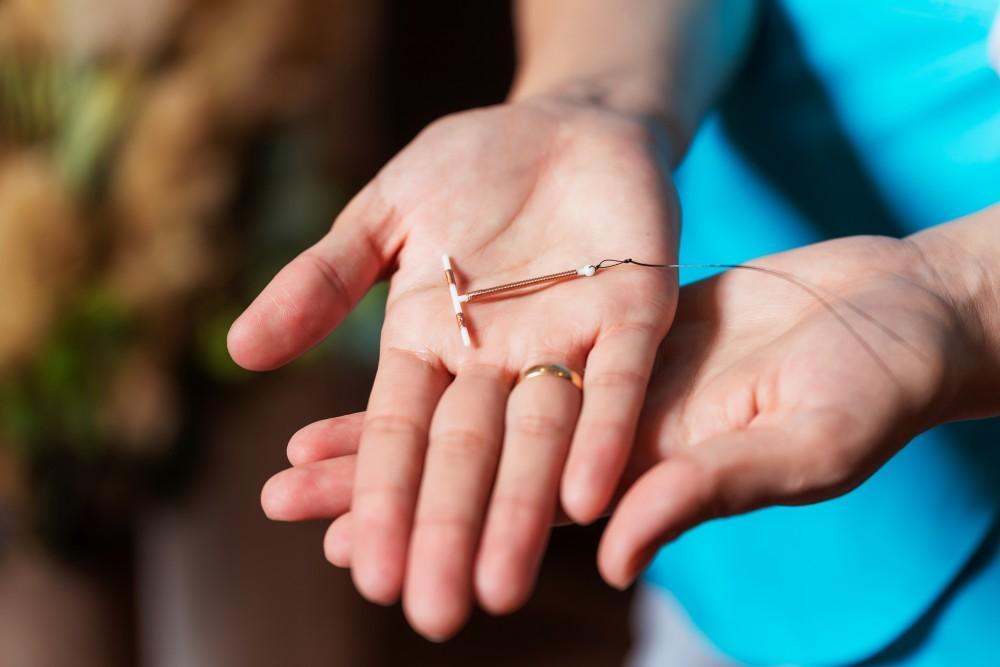
Choosing the right contraceptive can feel overwhelming. If you want hassle-free protection, long-acting reversible contraceptives are excellent options.
At Modern OBGYN Care in Pembroke Pines, Florida, Dr. Miguel Torres and Dr. Marcela Torres help you navigate these choices with personalized birth control counseling, allowing you to find the method that best fits your body and lifestyle.
Two of the most popular long-term options are intrauterine devices (IUDs) and the Nexplanon arm implant. According to the World Health Organization, fewer than one pregnancy per 100 women occurs in the first year of using an IUD. The arm implant offers a similarly high level of protection. But how do you know which choice is best for you?
The main difference lies in how these methods deliver hormones to your body. The Nexplanon implant is a small rod placed under the skin of your arm that releases hormones directly into your bloodstream. An IUD, however, is a small, T-shaped device that we place inside your uterus.
Because of these different delivery systems, your risk of systemic side effects can vary. A 2025 study in Archives of Gynecology and Obstetrics found that implant users had 2.21 times the odds of developing acne compared to hormonal IUD users. Implant users also had 4.63 times the odds of experiencing weight gain. This happens because the hormonal IUD keeps most of its active hormones localized within your uterus.
At our Pembroke Pines, Florida office, we discuss your medical history and skin health before recommending a device. If you are sensitive to hormones, we might suggest a hormonal IUD or a hormone-free copper IUD.
The placement process is another key factor to consider. The arm implant is placed just under the skin of your inner arm during a quick office visit. We numb the area first, so you only feel a brief pinch.
An IUD insertion requires a pelvic procedure at which time we place the device through your cervix. Some patients are concerned about pain during this process, but a 2024 study in Cureus showed that taking oral pain relievers beforehand provided only a minimal, 0.77-point reduction on a 10-point pain scale.
Because standard pain relievers only slightly dull the cramping, we offer more advanced comfort options. We can use local numbing techniques to help block the sharp pain of cervical manipulation. Our team at Modern OBGYN Care prioritizes your comfort and walks you through every step of the procedure.
Your natural menstrual cycle plays a huge role in which birth control you should choose. The arm implant can cause unpredictable, irregular spotting as your body adjusts.
The World Health Organization notes that copper IUDs often lead to heavier or longer periods and stronger cramps. In contrast, the hormones in a hormonal IUD thin your uterine lining, which can lead to lighter periods or no bleeding at all.
If you already struggle with heavy bleeding or severe cramps, we may recommend a hormonal IUD to help manage those symptoms. During a well-woman exam at our clinic, we will evaluate your cycle and help you choose the most comfortable option.
Ready to find the best long-term birth control for your body? Schedule a visit with our compassionate team at Modern OBGYN Care today to discuss your options.


